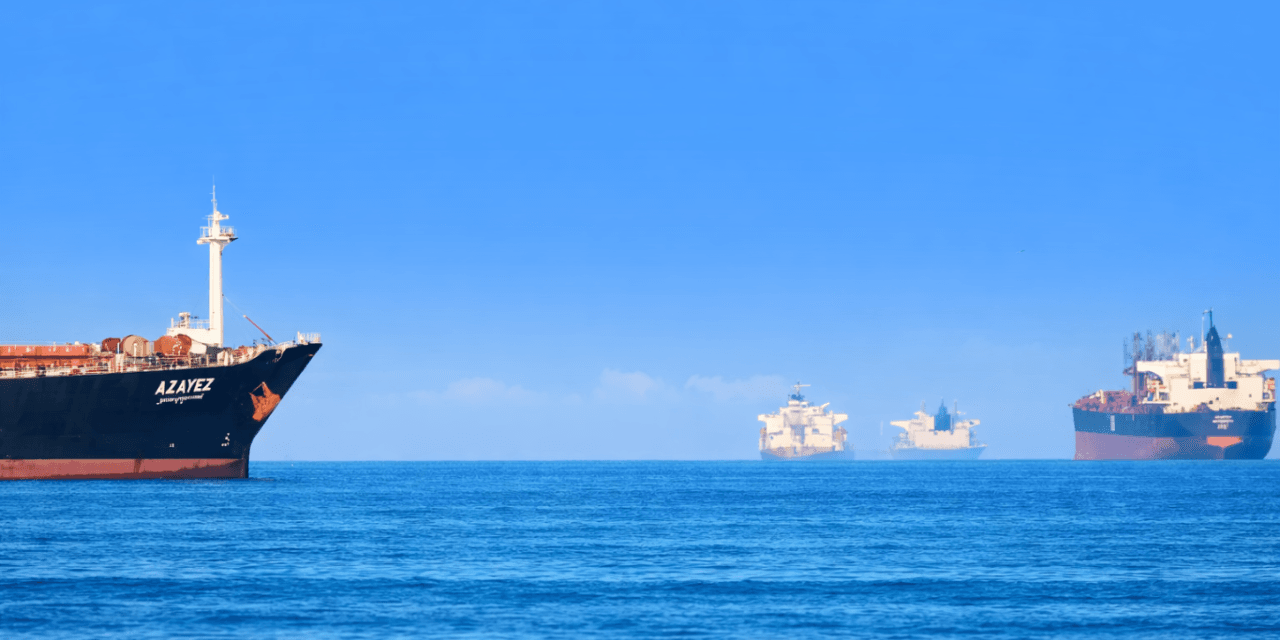
Global energy markets are on high alert this week as oil prices jumped by more than 10% in early Monday trade. The surge follows reports from the UK Maritime Trade Operations Centre (UKMTO) confirming that at least three ships were targeted near the Strait of Hormuz, a critical chokepoint for global energy distribution.
Attacks Disrupt Vital Shipping Lanes
The recent volatility stems from a series of strikes across the Middle East. Two vessels were reportedly struck, while a third experienced an explosion in “very close proximity.” As Iran issues warnings against transiting the strait—which handles approximately 20% of the world’s oil and gas—international shipping has slowed to a near standstill at the entrance.
By 02:00 GMT, market benchmarks showed significant gains:
-
Brent Crude: Rose over 4% to $76.16 per barrel.
-
US-Traded Oil (WTI): Increased by roughly 4% to $69.67.
Market Outlook: Panic or Precaution?
Despite the initial spike, some experts suggest the market is maintaining a level of cautious observation. Saul Kavonic, head of energy research at MST Marquee, noted that oil production infrastructure has not yet become a primary target. “The market will be watching for signs that traffic through the Strait of Hormuz returns, which would see oil prices subside again,” Kavonic stated.
However, the risk of a “triple-digit” scenario remains. Analysts warn that if the conflict becomes prolonged, Brent crude could surpass $100 per barrel.
Impact on Global Consumers
The disruption isn’t just a concern for traders; it has direct implications for the “pump price” paid by everyday drivers. Edmund King, president of the AA, warned that the turmoil acts as a catalyst for global distribution hurdles. “The magnitude and duration of pump price increases depends on how long the conflict goes on,” King remarked.
In an attempt to stabilize the market, the Opec+ group—including Saudi Arabia and Russia—agreed on Sunday to increase output by 206,000 barrels a day. While intended to cushion the blow, many experts remain skeptical that this volume will be enough to offset a major blockage in the Strait.