In a dramatic diplomatic breakthrough that narrowly avoided a massive military escalation, the United States and Iran have both claimed victory following an 11th-hour two-week ceasefire agreement. The deal comes on the heels of intense international pressure and a stark ultimatum from Washington that drew condemnation from global religious and political leaders.
The Terms of the Truce
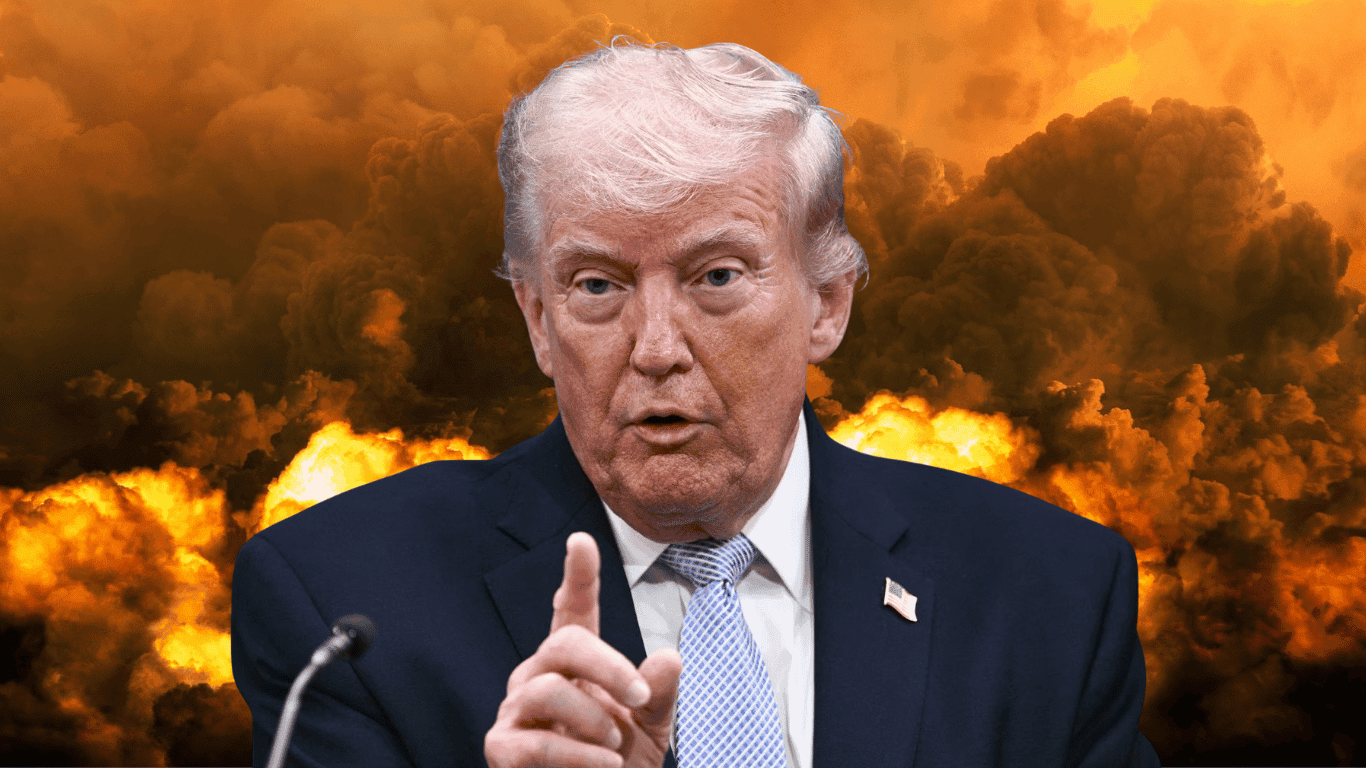
US President Donald Trump confirmed his agreement to the proposed fourteen-day pause in hostilities, contingent upon a single, critical factor: the guaranteed safety and movement of shipping traffic through the Strait of Hormuz.
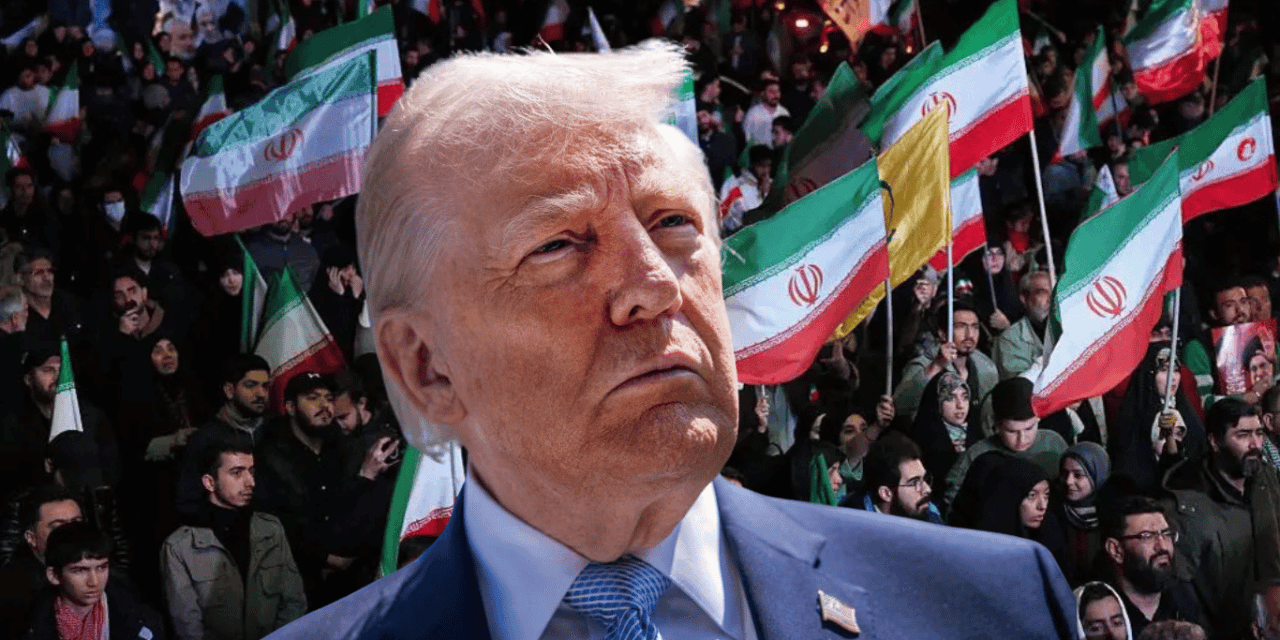
Responding to the proposal, Iranian Foreign Minister Abbas Araghchi stated that Tehran is prepared to honor the cessation of fighting, provided that “attacks against Iran are halted” immediately.
Global Condemnation of “Civilisation” Threat
The diplomatic path to this ceasefire was paved with tension. Prior to the agreement, President Trump sparked international outcry by suggesting “a whole civilisation will die tonight” if a deal to unblock the Strait was not reached.
-
The United Nations: Secretary-General António Guterres expressed that he was “deeply troubled” by rhetoric suggesting civilian populations would suffer the consequences of military brinkmanship.
-
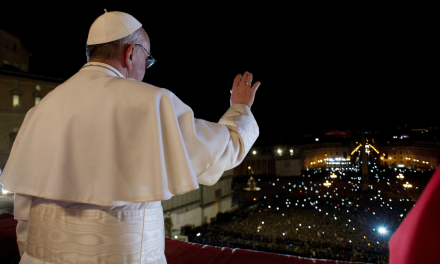
The Vatican: Pope Leo XIV labeled the threats “unacceptable,” calling for a focus on human sanctity over political leverage.
Regional Reactions and Discrepancies
While the ceasefire provides a temporary reprieve, regional players remain divided on its scope.
-
Israel: The Israeli government expressed support for the suspension of strikes on Iranian soil but pointedly noted that the two-week truce “does not include Lebanon.”
-
Pakistan: In contrast, Pakistan’s Prime Minister insisted the deal’s framework extends to Lebanese territories, highlighting a potential flashpoint that could undermine the fragile peace.
Economic Impact: Oil Prices Plunge
The markets responded to the news with immediate volatility. As the threat of a total blockade of the Strait of Hormuz receded, oil prices fell sharply. Crude is now trading well under $100 a barrel, providing much-needed relief to a global economy that had been bracing for a massive energy supply shock.
Whether this two-week window can be transformed into a long-term diplomatic resolution remains to be seen, as both nations use the pause to consolidate their positions.