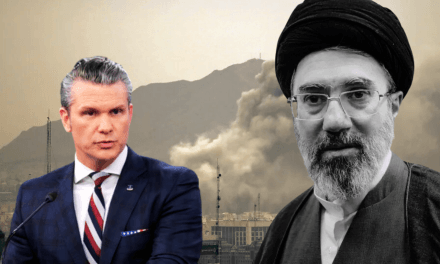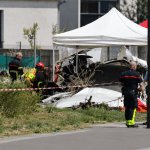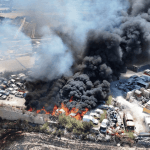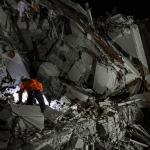
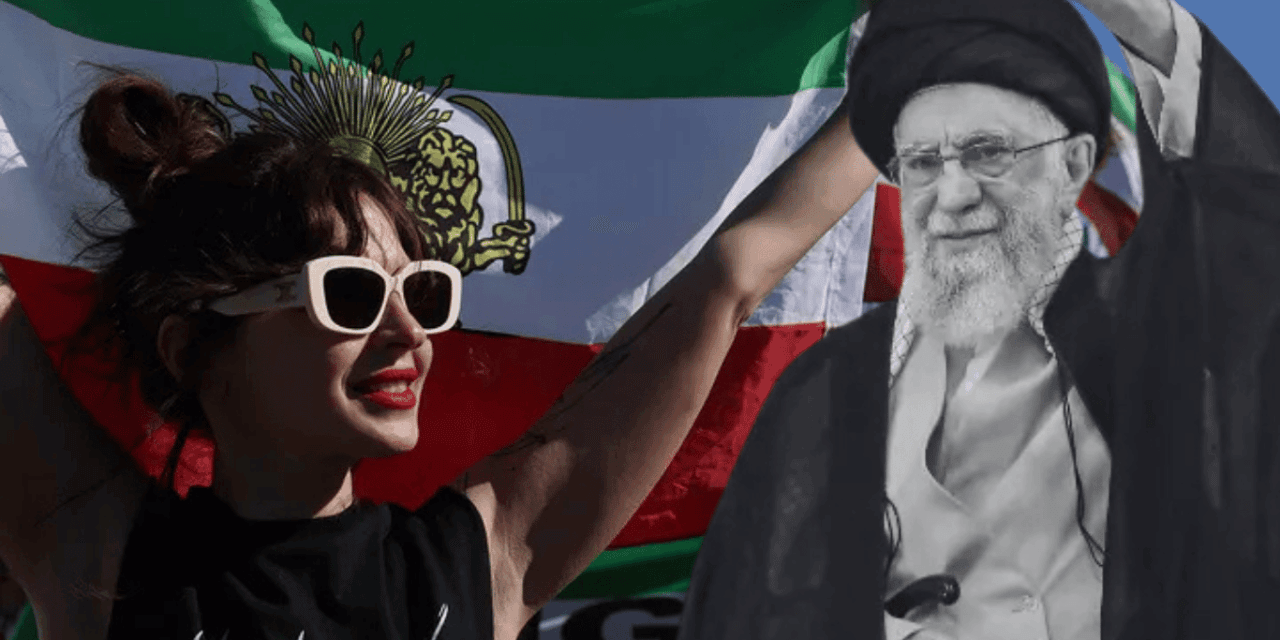
In a historic turning point for the Middle East, Iranian state media has officially confirmed that Supreme Leader Ayatollah Ali Khamenei was killed in his office on Saturday morning during a series of intense US-Israeli air strikes.
While the government has declared 40 days of national mourning, the news has triggered a starkly divided response across the country, with reports of Iranians celebrating the end of his three-decade rule.
Jubilation in the Streets
Shortly after the confirmation of Khamenei’s death, footage began circulating on social media showing scenes of celebration in several major cities. In Isfahan, residents were seen honking car horns in jubilation, while in Karaj, a city near Tehran, groups gathered to light fireworks and bonfires.
The celebrations were particularly poignant for the families of protesters killed in previous crackdowns, many of whom took to the streets or shared videos of themselves marking the moment at home. President Trump echoed these sentiments in a recent statement, calling Khamenei “one of the most evil people in history” and urging Iranians to “take back their country.”
A Nation Divided: Mourning and Retaliation
Despite the celebrations, the atmosphere remains tense. Pro-government events have begun to form in various cities to mourn the leader, and the Islamic Revolutionary Guard Corps (IRGC) has already vowed a “devastating offensive operation” in response to the strikes.
The humanitarian toll of the operation is significant:
-
200+ killed across Iran according to the Red Crescent.
-
108 casualties reported following a strike on a girls’ school.
-
40 officials reportedly killed, including high-ranking members of the IRGC.
As the transitional government prepares to navigate this power vacuum, the world watches to see if the celebrations on the streets signal a broader shift in Iran’s political future.