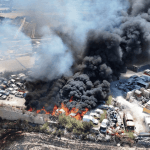

Global energy markets are experiencing significant volatility as the conflict involving the US, Israel, and Iran intensifies. Oil prices have surged above $114 per barrel, driven by growing concerns over prolonged supply disruptions in the Middle East.
Energy Markets React to Middle East Tensions
The escalation has directly impacted the Strait of Hormuz, a critical maritime artery responsible for approximately 20% of the world’s oil supply. Since the conflict began a week ago, traffic through this passage has nearly ceased.
In Monday morning’s Asian trading session, prices saw a dramatic spike:
-
Brent Crude: Rose nearly 24% to $114.74.
-
Nymex Light Sweet: Increased by over 26% to $114.78.
This surge threatens to increase costs for businesses and consumers globally as energy depots within Iran have reportedly been targeted by recent airstrikes.
Leadership Shift in Iran
Internal political developments in Tehran have further fueled market uncertainty. On Sunday, Mojtaba Khamenei was named to succeed his father, Ali Khamenei, as Supreme Leader. Analysts suggest this move indicates that hardliners remain firmly in control as the military conflict continues.
Global Stock Markets Slump
Equity markets across the Asia-Pacific region faced heavy selling pressure on Monday:
-
Japan’s Nikkei 225: Dropped by more than 7%.
-
Hong Kong’s Hang Seng: Fell by over 3%.
-
Australia’s ASX 200: Declined by more than 4%.
South Korea’s Kospi index was particularly hard hit, sliding more than 8%. The decline was severe enough to trigger a “circuit breaker”—a 20-minute trading halt designed to prevent panic selling. This marks the second time the mechanism has been used since Wednesday, when the index plummeted 12%.