The geopolitical landscape shifted dramatically today following a high-stakes briefing from the Pentagon. US Defense Secretary Pete Hegseth provided a startling update on the status of Iran’s leadership and the efficacy of ongoing military operations, while the Treasury Department simultaneously announced a strategic—albeit temporary—shift in Russian oil sanctions.
Iranian Supreme Leader in Hiding
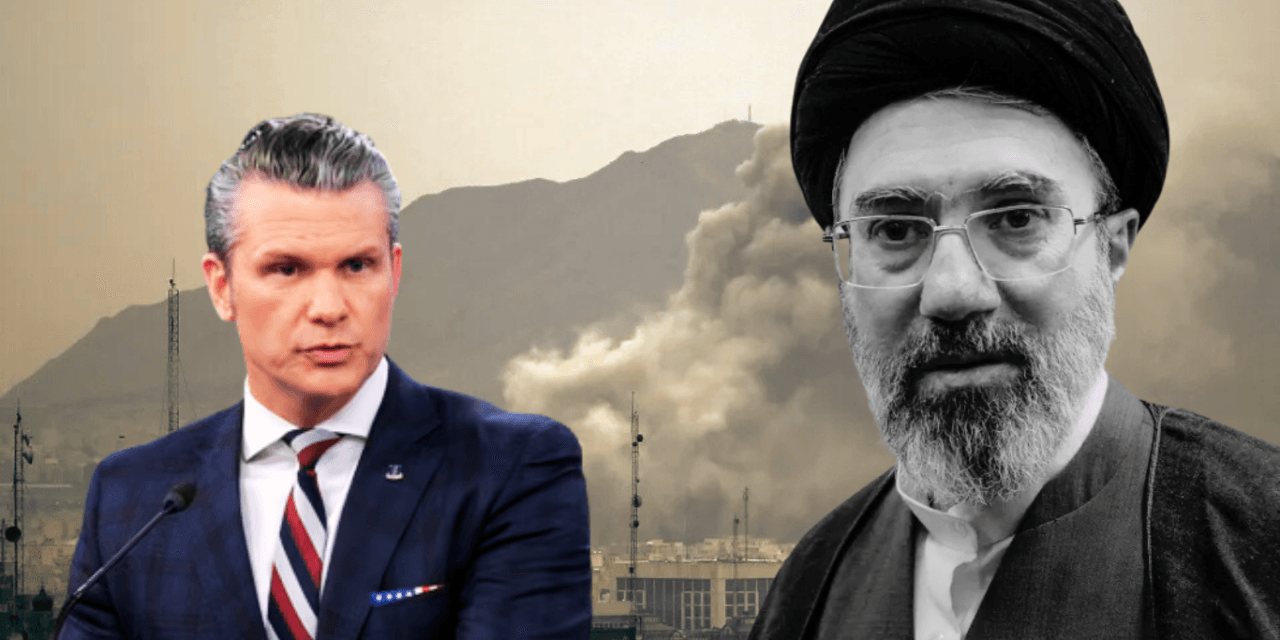
In a statement that has sent shockwaves through international intelligence communities, Defense Secretary Pete Hegseth claimed that Iran’s new Supreme Leader is currently in hiding. According to Hegseth, the leader is “wounded” and “likely disfigured” following recent escalations.
While the Pentagon did not provide specific visual evidence, the rhetoric signals a confident stance on the degradation of the Iranian regime’s command structure.
Neutralizing the Missile Threat
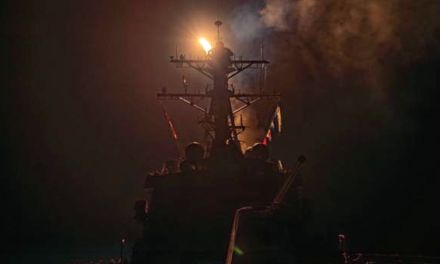
Hegseth emphasized that US operations are no longer just defensive. The current strategy focuses on the total dismantling of Iran’s offensive capabilities. Key takeaways from the briefing include:
-
Stockpile Attrition: US forces are actively intercepting and destroying existing missile stocks.
-
Production Halt: A primary objective is ensuring the regime has no ability to build more weaponry by targeting manufacturing infrastructure.
-
Strategic Denial: The Pentagon’s focus remains on “ensuring a long-term incapacity” rather than a temporary ceasefire.
Shift in Russian Oil Sanctions
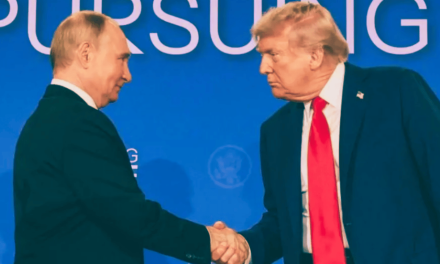
In a move to stabilize global energy markets, the US has announced a temporary loosening of sanctions on Russian oil. The policy change specifically targets petroleum loaded on vessels at sea.
Why the change? The Biden administration is aiming to curb rising fuel prices that have pressured domestic and global economies. By allowing other countries to purchase oil currently in transit without immediate penalty, the US hopes to inject much-needed supply into the market.
The Kremlin Connection Though the easing of sanctions is slated to last only one month, the news has been welcomed in Moscow. For the Kremlin, this represents a vital window for revenue generation, even as the broader conflict in Ukraine continues to strain Russia’s financial reserves.