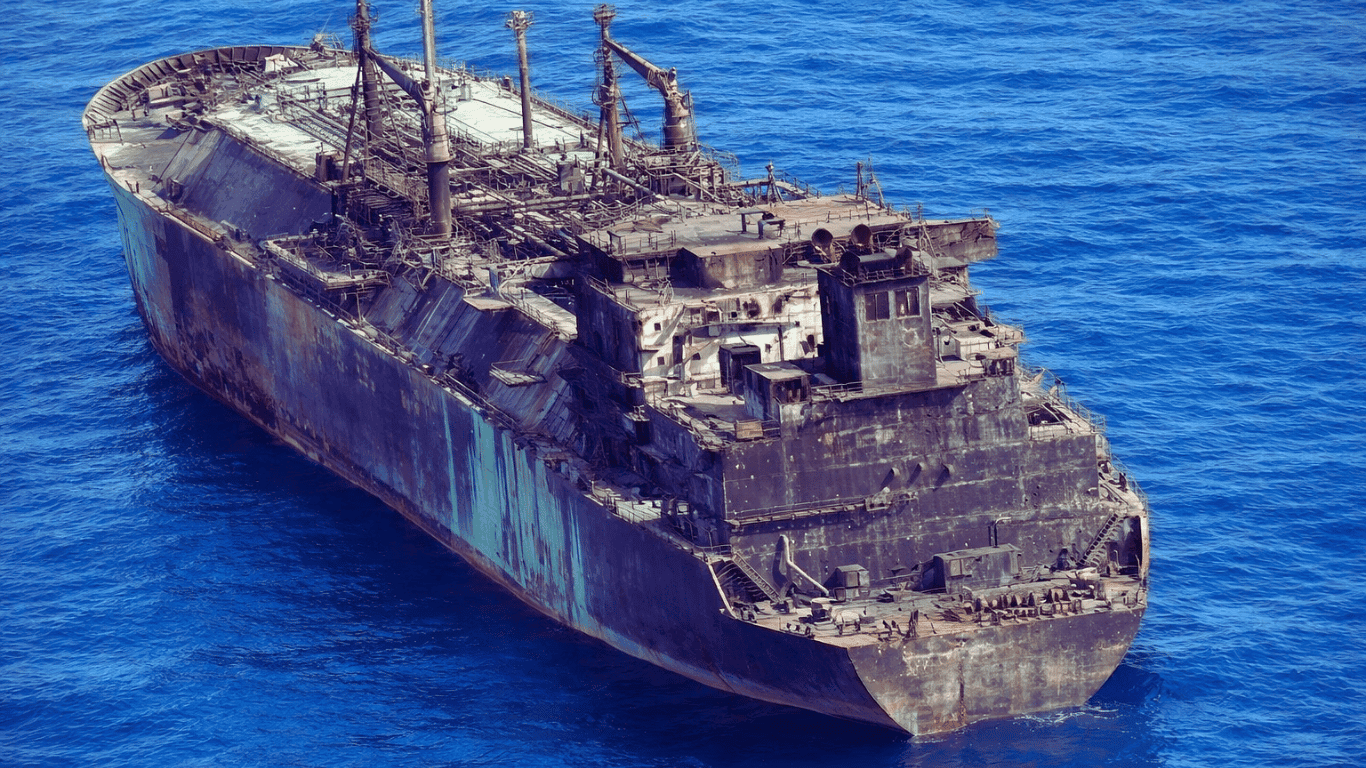
The Maltese government has activated an emergency response plan to prevent a potential maritime and land-based disaster as the crippled Russian LNG tanker, Arctic Metagaz, drifts toward the archipelago’s western coast.
The vessel, which was reportedly struck by Ukrainian marine drones on March 3, is currently a “ghost ship”—drifting without a crew in the central Mediterranean. As of Sunday, the tanker was positioned approximately 50 nautical miles (less than 100 kilometers) southwest of Malta.
A Race Against the Elements
Current weather patterns have placed authorities on high alert. Prevailing winds are pushing the vessel directly toward the western coast of Gozo.
“Everything depends on the wind direction, but if it continues like this, it could arrive between Sunday night and Monday morning,” a source told the local media.
In response, Maltese authorities have been collaborating closely with Italian counterparts since Friday. A fleet of three tugboats has been deployed to intercept the wreck and prevent it from entering territorial waters.
The Scale of the Threat
The Armed Forces of Malta (AFM) have been monitoring the ship’s trajectory three times daily over the past week. Their assessment reveals a volatile situation:
-
Cargo: An estimated 700 tons of liquefied gas remain on board.
-
Structural Integrity: Despite severe damage from the initial strike, two of the ship’s four gas tanks remain intact, keeping the vessel buoyant.
-
The Objective: Authorities are currently scouting for a location of “sufficient depth” to potentially sink the wreck, though boarding the vessel to secure tow lines remains a high-risk operation.
The primary goal remains preventing an explosion near the coast, which could result in a “land-based catastrophe” for the Maltese Islands.