The Real Cost of Buying Sex: Malta’s First Study on Sex Buyers
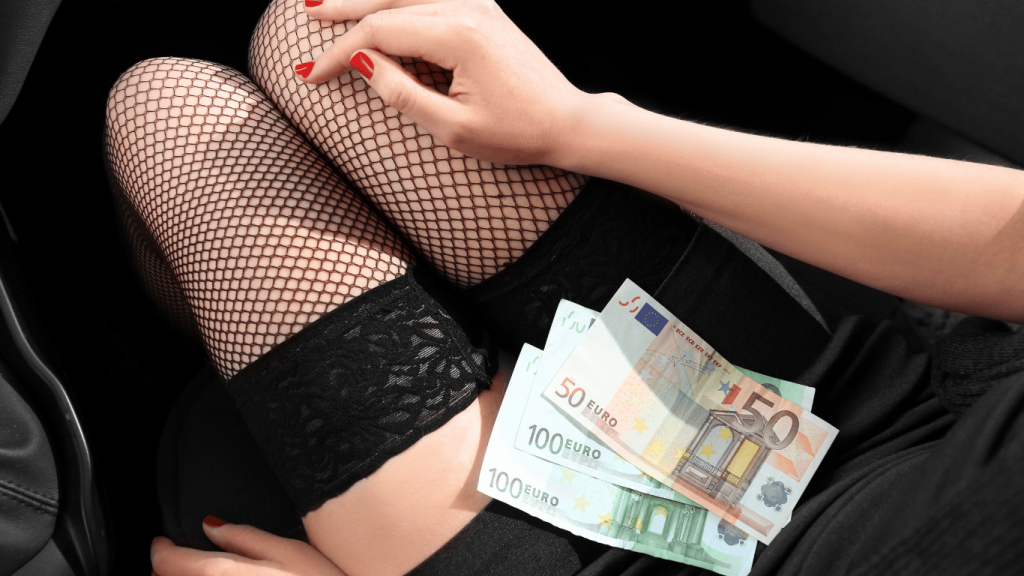
For years, the debate surrounding prostitution in Malta has largely focused on the women involved. However, a groundbreaking new study conducted by Dar Hosea, funded by the Commissioner for Gender-Based Violence and Domestic Violence, is shifting the narrative. Titled “The Cost of Buying Sex,” the report investigates the attitudes, motivations, and demographics of the men who pay for sex. This raises a crucial, ongoing question for Maltese society: in taqbel li prostitution ghanda tigi meqjusa bhala ghadd kriminali jew ghanda tigi legalizzata? (Do you agree that prostitution should be considered a criminal act or should it be legalised?)
The Demand: Entitlement and Dehumanisation
The study, which involved face-to-face interviews with 72 male buyers in Malta, uncovered deeply ingrained attitudes of misogyny and male privilege. Almost half of the respondents (49%) reported buying sex at least once a month, with many starting at age 19 or younger.
A prominent theme from the interviews is the concept of “entitlement.” The buyers frequently viewed their payment as a guaranteed right to a woman’s body and compliance. In the words of one participant, “she might not want to do it, but she has to say yes to me… as I paid for it.” This transactional view reduces women to commodities, dehumanising them to justify the buyer’s actions.
The Reality of Exploitation
One of the most alarming findings of the report is the buyers’ awareness of exploitation. A staggering 60% of the men admitted to encountering a woman they believed was forced into prostitution, and 70% suspected a pimp controlled the woman. Despite this high level of awareness, only 2.9% (two men) ever reported their suspicions to the authorities.
This highlights a dark reality: the normalisation of the sex trade often blinds buyers to the severe human rights violations occurring right in front of them, allowing traffickers and pimps to operate with impunity.
The Core Debate: Criminalisation vs Legalisation
The findings inevitably lead back to the legislative debate. Many buyers in the study favored the legalisation of prostitution, viewing it as an ordinary business transaction that caters to “male needs.” However, the researchers and authors of the study strongly oppose this view.
The report recommends the adoption of the Abolitionist (Equality) Model, which has been successfully implemented in countries like Sweden, France, and Ireland. This model argues that:
- Women should not be penalised: The selling of sex should be decriminalised, and women should be provided with comprehensive “exit programmes” (including housing, income, healthcare, and training) to help them escape the trade.
- Buyers should be criminalised: The purchase of sex should be treated as a criminal offence, targeting the demand that fuels human trafficking and exploitation.
- Pimps and traffickers must be held accountable: Law enforcement should focus on dismantling the networks that profit from the vulnerability of women.
The Cost of Buying Sex study makes it abundantly clear that the demand for prostitution is sustained by a dangerous mix of entitlement, conflicted rationalisations, and indifference to exploitation. As policymakers consider the future of Malta’s legal framework, the voices and realities highlighted in this report cannot be ignored.
So, where do you stand on the issue? In taqbel li prostitution ghanda tigi meqjusa bhala ghadd kriminali jew ghanda tigi legalizzata? The evidence strongly suggests that to protect the vulnerable, we must target the demand.