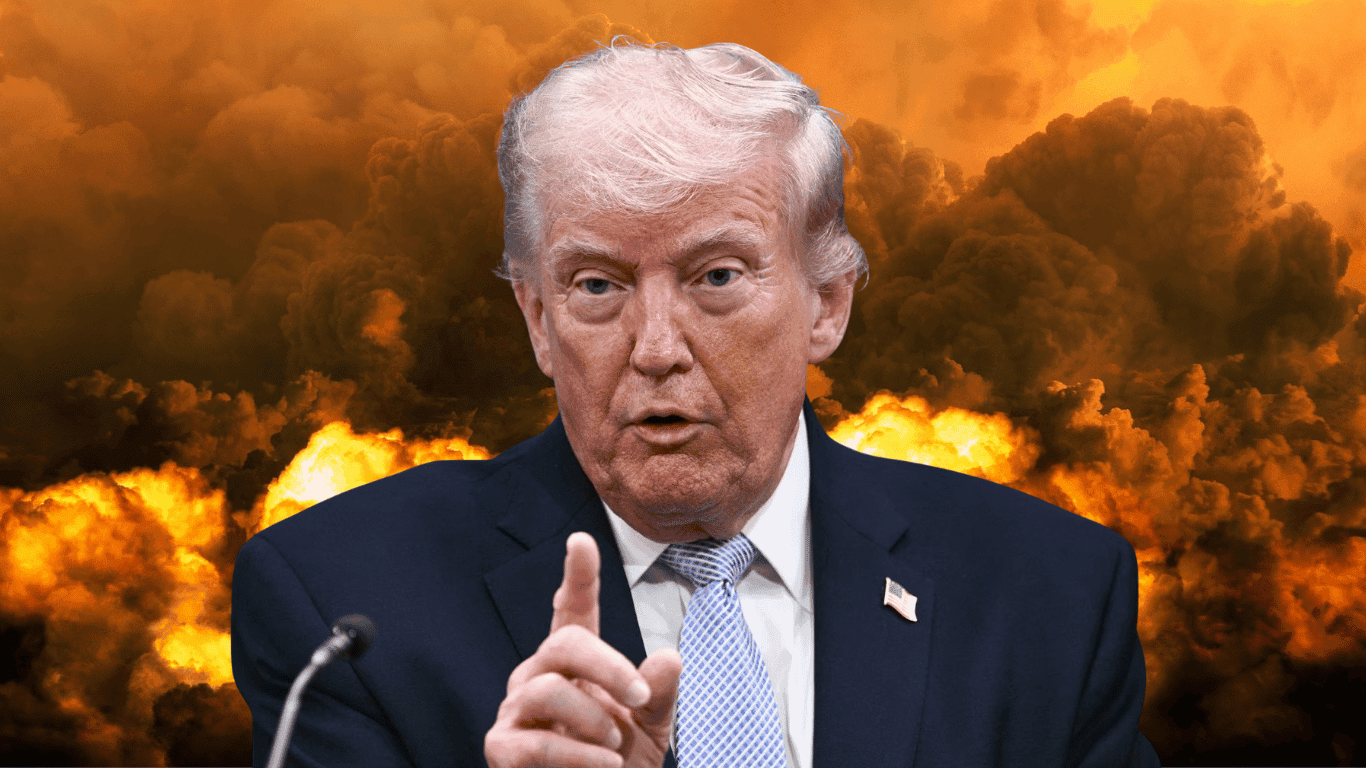
The Midnight Ultimatum: Trump Warns of Catastrophe Over Strait of Hormuz
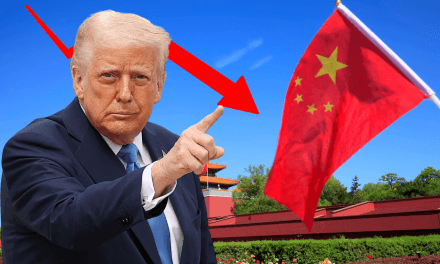
The world is holding its breath as U.S. President Donald Trump issued a chilling warning regarding the escalating conflict with Iran, stating that “a whole civilisation will die tonight” if a deal is not reached to reopen the Strait of Hormuz.
Despite the dire rhetoric, the President maintained a flicker of diplomatic optimism, suggesting that “something revolutionarily wonderful can happen” before his self-imposed deadline of 20:00 EDT this Tuesday. The ultimatum centers on the reopening of the world’s most vital shipping artery, which has remained a primary flashpoint in the current hostilities.
Strikes Intensify on Kharg Island and Petrochemical Hubs
As the deadline looms, the United States military has ramped up its kinetic operations. New reports confirm fresh strikes on military targets located on Kharg Island, the crown jewel of Iran’s oil export infrastructure. These precision strikes aim to further diminish Tehran’s ability to leverage its energy resources during the standoff.
Simultaneously, Israel has expanded its campaign, confirming an attack on a third major petrochemical site. The Israel Defense Forces (IDF) have also issued an urgent advisory to Iranian citizens, warning them against using the national rail network. The statement was blunt: “It endangers your life.”
The Human Cost of the Conflict
The toll of the joint U.S.-Israeli operations has become increasingly clear. According to a U.S.-based human rights monitor, the death toll in Iran has now surpassed 3,500 people. Most concerningly, the group reports that at least 1,665 civilians are among the dead since the onset of the air campaign.
Diplomacy at a Deadlock
Despite the pressure, Tehran shows little sign of immediate capitulation. Iranian state media reported today that the government has formally rejected a U.S.-led ceasefire proposal. Instead, Iran has countered with a specific list of demands, signaling that the path to the “revolutionarily wonderful” outcome envisioned by the White House remains blocked by significant geopolitical hurdles.