
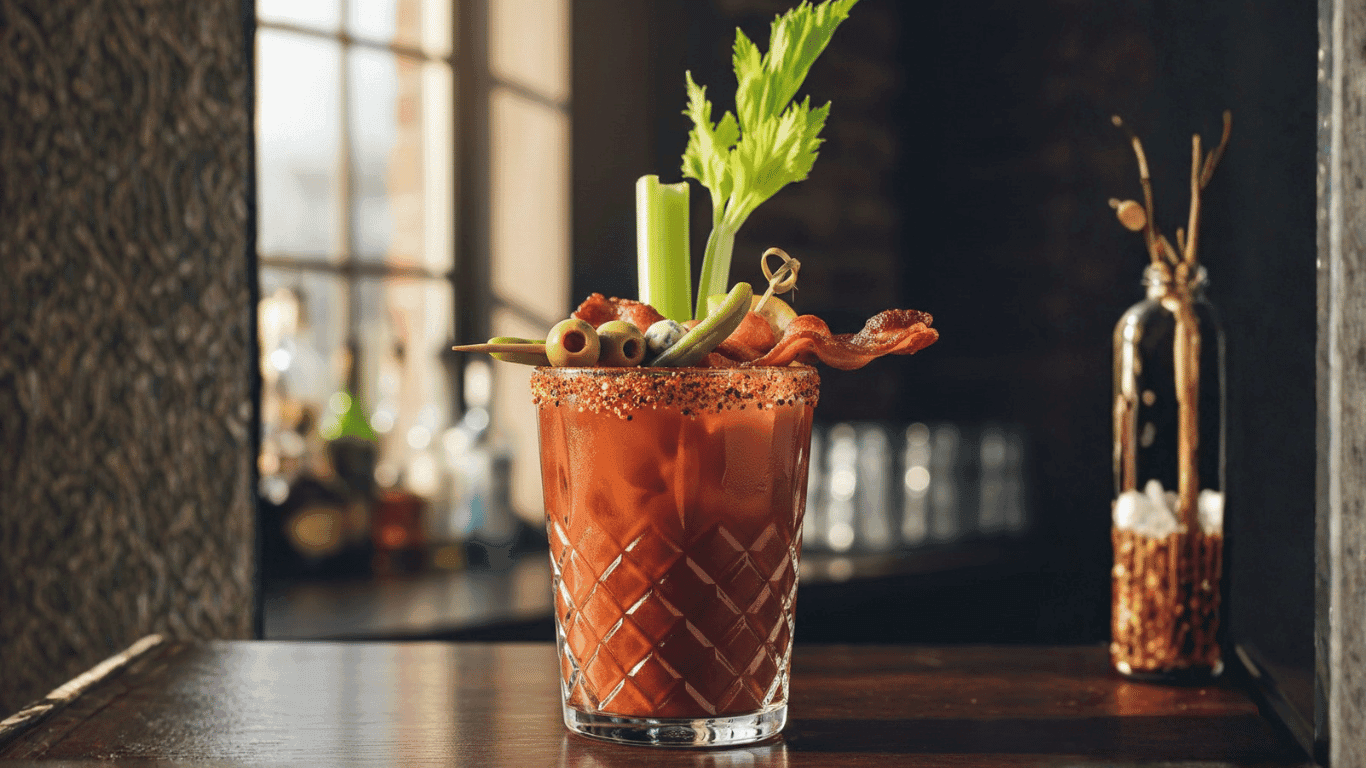
National Bloody Mary Day is celebrated annually on January 1. It is the ultimate recovery holiday, perfectly timed for New Year’s Day morning when many are seeking relief after a night of celebration.
Whether you are looking for a “hair of the dog” remedy or a savory brunch cocktail, this classic tomato-based drink is the star of the first day of the year.
The Science Behind the “Hangover Cure”
Many swear by a Bloody Mary to ease the aftereffects of too much champagne. While it feels like a miracle cure, here is what is actually happening:
-
Masking the Effects: Alcohol in the drink can temporarily dull the symptoms of a hangover while your body processes the toxins.
-
Nutritional Boost: The tomato juice provides electrolytes, Vitamin C, and Lycopene, which help rehydrate the body.
-
The Verdict: While research suggests it mostly masks the recuperation process, the savory flavors and vitamins often make drinkers feel better almost instantly.
Nutrition & Diet Facts
For those watching their intake, here is the nutritional breakdown of an average Bloody Mary:
-
Calories: 120 – 250 calories per serving.
-
Carbohydrates: Approximately 4.9g of carbs.
-
Variables: These numbers fluctuate based on glass size and garnishes like shrimp, olives, or celery, which add their own caloric value.
The History: How Did the Bloody Mary Get Its Name?
There are several fascinating theories regarding the origin of this iconic name:
-
The Visual: The most common theory is that the deep red color of tomato juice simply looks like blood.
-
The Saloon Connection: Some historians link the name to a waitress at the “Bucket of Blood” saloon in Chicago during the early 1900s.
-
The Parisian Origin: Fernand Petiot, a bartender at Harry’s New York Bar in Paris, is credited with inventing the drink in 1921. He reportedly renamed it “Bloody Mary” in the late 1930s.
-
The Royal Legend: A popular theory suggests it was named after Queen Mary I of England. Known as “Bloody Mary” for her execution of hundreds of Protestants, she ruled long before tomatoes were widely used in Europe.
-
The Hollywood Era: During the 1920s and 30s, various celebrities and bartenders claimed to have coined the name, adding to its mystique.
The Classic Bloody Mary Recipe
While everyone has their own “secret” version, a traditional preparation includes:
-
Ice cubes
-
8 oz Tomato juice
-
2 oz Vodka
-
3-4 dashes Tabasco Sauce
-
3-4 dashes Worcestershire sauce
-
2-3 pinches Celery salt
-
2 pinches Ground black pepper
-
2 pinches Garlic powder
-
3-4 dashes Lime juice
-
Garnishes: Lime wedges, celery stalks, and olives.
Popular Variations of the Bloody Mary
If you want to swap the spirits or add a twist, try these famous variations:
-
Bloody Caesar: A Canadian favorite that uses Clamato juice (a blend of tomato and clam juices).
-
Bloody Maria: Swaps vodka for tequila and often includes extra hot sauce or jalapeño garnishes for a spicy kick.
-
Red Snapper: Uses gin instead of vodka, providing a more botanical and complex flavor profile.
-
Virgin Mary: The non-alcoholic version. It’s a healthy, savory drink that retains all the spice and flavor without the booze—perfect for kids or those skipping the alcohol.