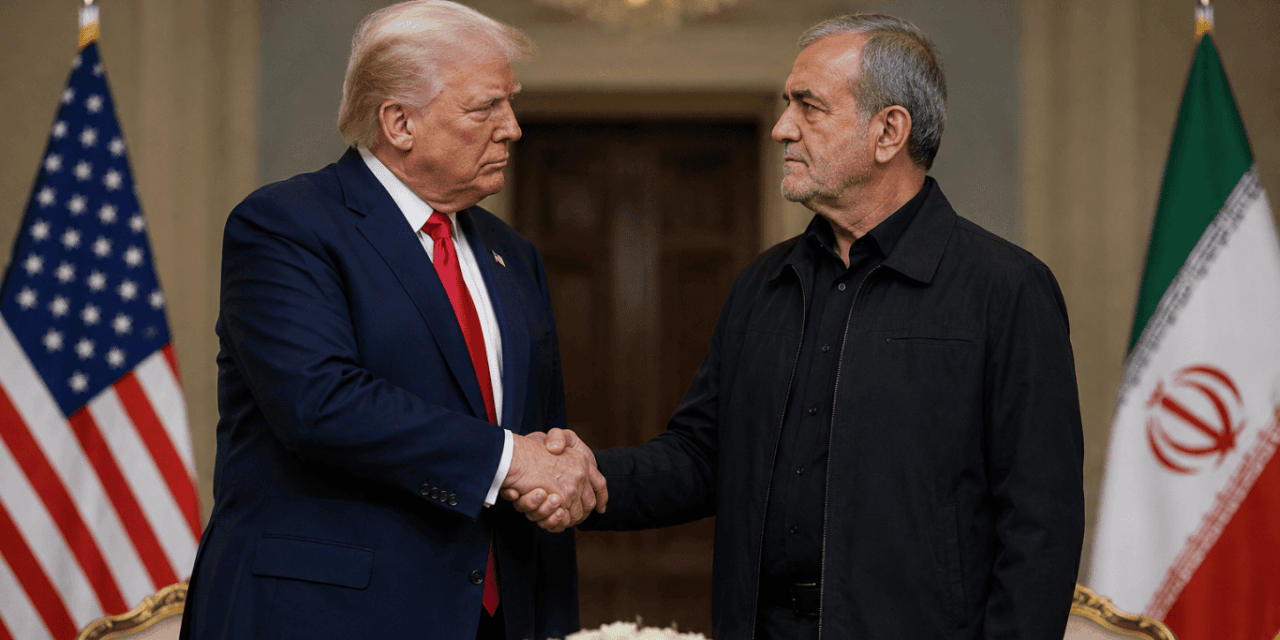
The presidents of the United States and Iran have officially signed an initial peace agreement, marking a monumental shift in global geopolitics and signaling the end of the war. The landmark deal, which allows for an immediate cessation of hostilities, aims to stabilize the region and prevent further economic fallout.
Key Terms of the Agreement
The newly signed pact outlines several major economic and geopolitical shifts designed to de-escalate tensions immediately. The core components of the agreement include:
-
Reopening the Strait of Hormuz: Ensuring the safe passage of global energy supplies through one of the world’s most critical shipping choke points.
-
$300 Billion Reconstruction Plan: A massive financial package (£224 billion) dedicated to the “reconstruction” of Iran’s infrastructure and economy.
-
Lifting of Sanctions: The United States has committed to terminating “all types of sanctions” currently imposed on Tehran.
The Unresolved Nuclear Threat
While the initial agreement brings an immediate end to the armed conflict, the primary catalyst for the war—Iran’s nuclear program—remains unresolved.
Instead of a final resolution, diplomats have agreed to an extendable 60-day negotiation period to hash out the details of Iran’s nuclear capabilities. The success of the long-term peace heavily relies on what happens during this crucial two-month window.
Trump Warns Against “Economic Catastrophe”
US President Donald Trump officially signed the proposal while in France attending the G7 summit. Defending the controversial agreement, Trump stated that the deal was a necessary measure to stave off a looming “economic catastrophe.”
Despite his willingness to sign, his message to Tehran remained combative. He issued a stark ultimatum regarding the ongoing nuclear talks, warning that the United States would “bomb the hell” out of Iran if negotiators fail to reach a final, comprehensive deal.
Tehran Remains Cautious
In Tehran, officials confirmed that Iranian President Masoud Pezeshkian signed the document on Wednesday, solidifying the initial pact. However, the mood within the Iranian government remains highly cautious and deeply skeptical of Washington’s long-term intentions.
Mohammad Bagher Ghalibaf, Iran’s parliamentary speaker and key negotiator, addressed state media to clarify the nation’s defensive posture. Speaking to the state broadcaster Fars, Ghalibaf emphasized that profound distrust of the US remains.
“Our finger is on the trigger,” Ghalibaf warned. “If the enemy does not understand the language of logic, we will enter again with the language of power.”