Switzerland Population Cap: Will Voters Approve the 10 Million Limit Amidst a 27% Foreign Resident Demographic?
Can a country successfully put a fixed limit on its population? That is the unprecedented question Switzerland will be answering this Sunday. Voters are heading to the polls to decide on a highly controversial proposal to cap the Swiss population at a strict 10 million.
At the very heart of this heated national debate is a striking demographic reality: Switzerland’s population has surged from 7.3 million in 2002 to 9.1 million today. Most notably, 27% of these current residents are foreign nationals, a statistic that has become the focal point of both the proponents and opponents of the cap.
The “Sustainability Initiative” vs. The “Chaos Initiative”
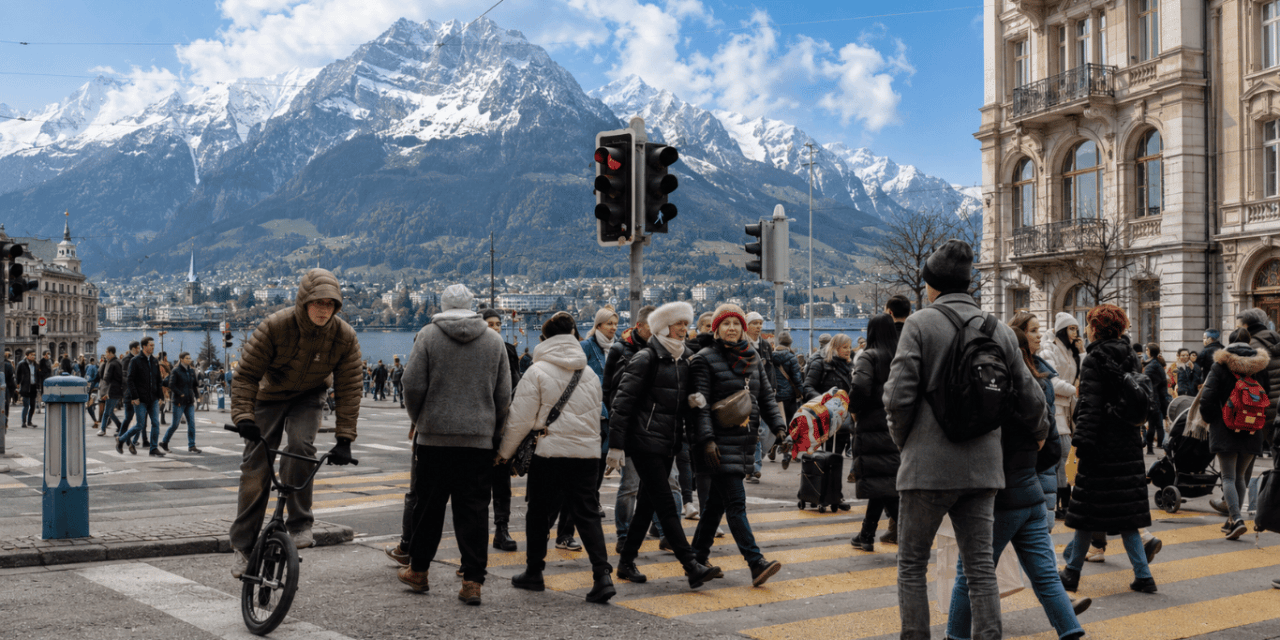
The movement to limit the population is spearheaded by the right-wing Swiss People’s Party. They have branded the proposal a “sustainability initiative,” arguing that the rapid influx of foreign residents is putting an unsustainable burden on the nation’s infrastructure. Many voters who support the measure cite overcrowded trains, a highly competitive and expensive housing market, and steadily rising healthcare costs as direct consequences of rapid population growth.
However, the opposition is fierce. The Swiss government, alongside all other major political parties, business leaders, and trade unions, have sharply criticized the proposal, dubbing it a “chaos initiative.” They argue that a hard cap would be economically devastating.
The Crucial Role of the 27%: Why Foreign Residents Matter
Focusing on the 27% of the population made up of foreign residents reveals why this vote is so complex. Switzerland relies heavily on foreign labor to keep its economy thriving.
Opponents of the population cap warn that heavily restricting the number of foreign residents will:
-
Deprive essential sectors: Hospitals, hospitality (hotels and tourism), and construction rely immensely on non-Swiss workers. A cap could lead to crippling staff shortages.
-
Damage EU relations: Imposing strict limits on immigration would severely damage Switzerland’s hard-won bilateral agreements with the European Union.
-
Risk international isolation: Leaving non-EU member Switzerland isolated in an increasingly unpredictable global landscape.
The 27% foreign resident population isn’t just a number; it represents a core pillar of the modern Swiss workforce. While proponents of the cap view this percentage as a strain on public services and the environment, opponents view it as the lifeblood of the country’s economic stability.
A Deeply Polarized Nation
As Sunday approaches, the country is split down the middle. The diverse perspectives of citizens like Helin Genis and Nils Fiechter, who share common ground in their love for the country but hold diametrically opposed views on the limit, perfectly illustrate the polarized nature of this referendum.
The latest opinion polls suggest a nail-biting finish. Currently, voters are inching toward a “no” vote by a wafer-thin margin, with 52% opposed to the cap. However, with 45% firmly in favor of the proposal and a significant portion of the electorate still undecided, the outcome remains entirely up in the air.
Whether the Swiss decide to lock their doors at 10 million or keep their borders open to the foreign workforce that makes up over a quarter of their population, this Sunday’s vote will undeniably shape the economic and social future of Switzerland for decades to come.