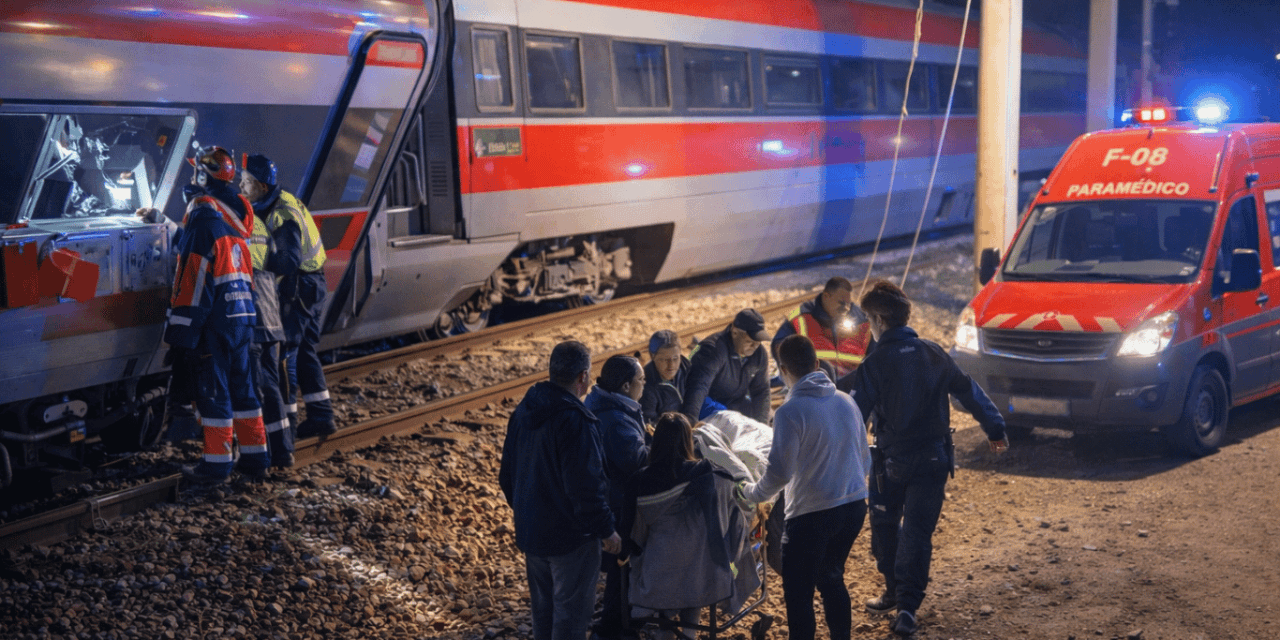
Authorities in southern Spain are mourning the loss of at least 21 lives following a devastating train collision near the town of Adamuz, close to the city of Córdoba. The incident, which occurred early Monday evening, has left dozens more injured and is already being cited as the country’s worst rail catastrophe in over ten years.
The Incident: Derailment and Impact
The tragedy unfolded shortly after 18:40 local time. A high-speed train traveling from Malaga toward Madrid derailed on a straight stretch of track. According to the rail network operator Adif, the carriages crossed over into the opposite lane, colliding head-on with an oncoming train.
There were approximately 400 passengers and staff onboard the two vessels. The force of the impact was so severe that it pushed several carriages into a nearby embankment.
Casualties and Rescue Efforts
The toll on human life has been significant, and officials warn it could still rise:
-
Confirmed Deaths: 21 people.
-
Injuries: Dozens injured, with at least 24 in serious condition.
-
Pediatric Cases: Four children are among those fighting for their lives in local hospitals.
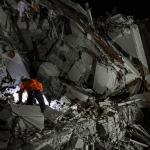
Rescue teams described a harrowing scene. Córdoba fire chief Francisco Carmona told RTVE that the twisted metal made extraction efforts “hard, tricky work,” noting that rescuers were forced to move deceased victims just to reach those still trapped alive.
Investigation: “Extremely Strange” Circumstances
Spanish Transport Minister Óscar Puente has launched an immediate investigation into the cause of the crash. Addressing reporters in Madrid, Puente expressed deep confusion over how the accident occurred on a straight, unobstructed section of track.
“All the railway experts consulted by the government are extremely baffled by the accident,” Puente stated, labeling the event as “extremely strange.”
The trains involved included a Freccia 1000, a high-performance model capable of reaching speeds of up to 400 km/h, according to the Italian rail company Ferrovie dello Stato. Investigators are now looking into technical failures or track anomalies that could have caused a derailment under such conditions.