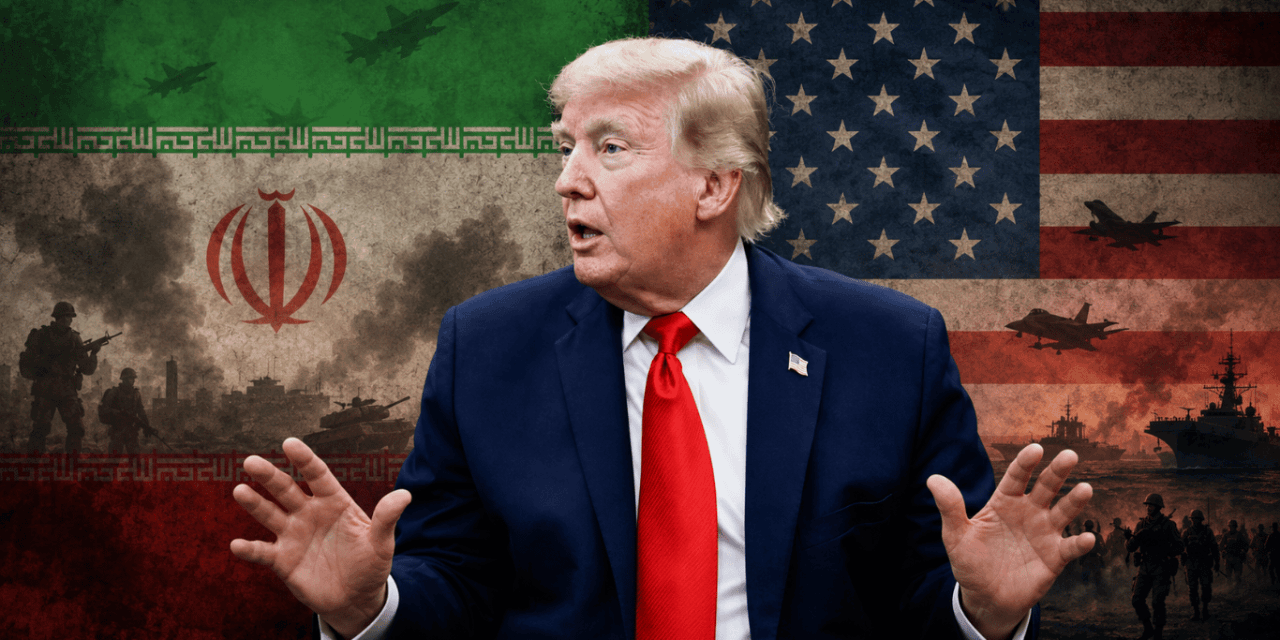
President Donald Trump has announced that a monumental US-Iran peace deal designed to end hostilities between the two nations is scheduled to be signed this Sunday. The proposed agreement aims to de-escalate long-standing tensions in the Middle East and restore regular maritime operations in one of the world’s most critical shipping lanes.
In a post on Truth Social, President Trump highlighted the immediate global economic benefits of the treaty, stating:
“The Deal is scheduled to get signed tomorrow, and immediately after it is signed, the Hormuz Strait is OPEN TO ALL.”
Conflicting Timelines: Washington vs. Tehran
While the US administration and its mediating partners are pushing for a rapid conclusion, there appear to be mixed messages regarding the exact timing of the final signatures.
-
The Mediators: Pakistan, acting as a key mediator in the negotiations, bolstered Trump’s timeline. Pakistani officials stated that the deal is expected to be finalized within 24 hours and noted that they are actively “preparing for the electronic signing.”
-
The Iranian Stance: Before Trump’s social media posts, Tehran offered a more tempered outlook. Iranian Foreign Ministry spokesman Esmaeil Baghaei expressed caution regarding the swift deadline, stating, “We will have to wait and see about the exact date of the signing of the memorandum of understanding, although it will not be tomorrow.”
Addressing the “Nuclear Dust”
A central pillar of the decades-long conflict between Western nations and Iran has been Iran’s controversial nuclear program. While Iran has consistently maintained that its uranium enrichment is strictly for peaceful purposes—such as electricity generation and scientific research—Western powers have long accused the nation of attempting to develop nuclear weapons.
Trump addressed this highly sensitive issue head-on, referring to Iran’s enriched uranium stockpiles as “Nuclear Dust.” He outlined a future plan for the material once tensions ease:
“[A]t the appropriate time, when all is calm, we will go in and get the Nuclear Dust.”
He added that the stockpiles would subsequently be destroyed to ensure long-term regional security.
A Stark Warning from the President
Despite the optimism surrounding the impending US-Iran peace deal, Trump did not shy away from issuing a severe warning should the diplomatic efforts collapse.
Emphasizing the stakes of the agreement, he warned that if the situation does not “work out quickly, easily and smoothly,” Washington is prepared to resort to drastic measures. Trump stated that the US possesses “the ultimate alternative, hopefully never to be used again!”—an apparent reference to America’s nuclear arsenal or overwhelming military capabilities.
As the world watches the Strait of Hormuz, all eyes are on Sunday to see if diplomacy will successfully cross the finish line.