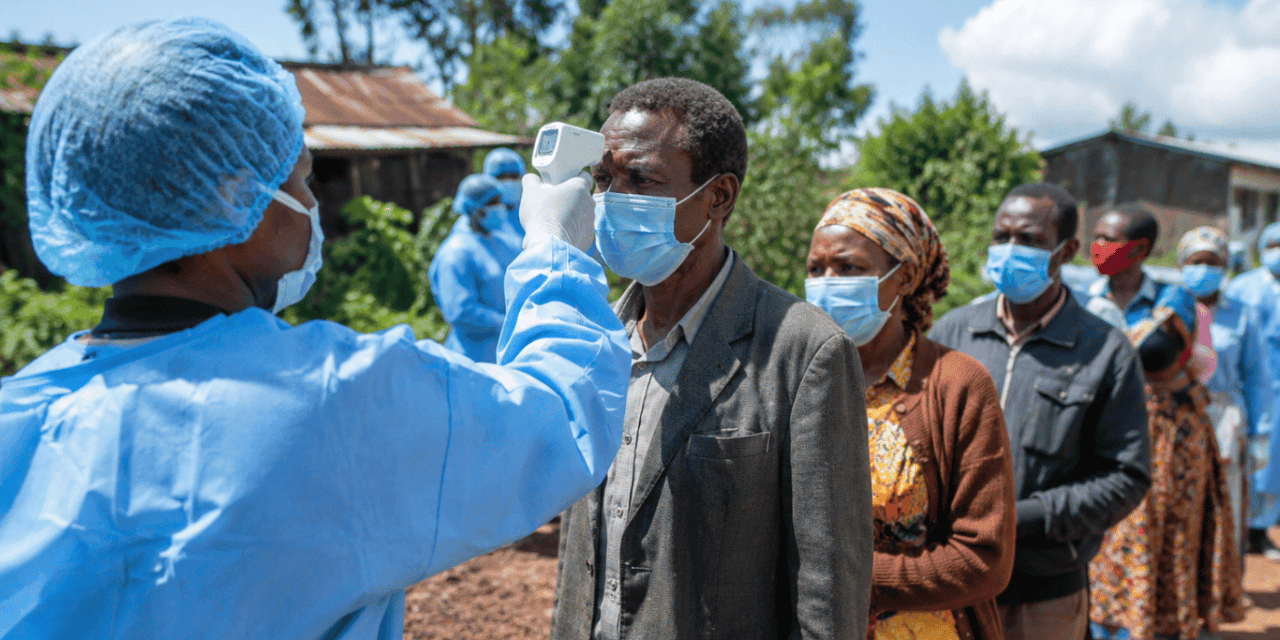
The rapid spread of the Ebola outbreak in DR Congo (Democratic Republic of Congo) has escalated into a “deeply alarming” public health crisis, according to urgent warnings from the medical charity Médecins Sans Frontières (MSF).
Just two weeks after the outbreak was officially declared, health officials are sounding the alarm over the unprecedented speed and scale of the virus’s transmission.
An Unprecedented Rate of Infection
Dr. Alan Gonzales, Deputy Director of MSF, highlighted the severe nature of the crisis in a statement on Saturday. He noted that the virus is spreading faster than the response efforts can manage.
“Never before has an Ebola outbreak recorded so many cases so soon after its declaration,” Dr. Gonzales stated. He emphasized that MSF medical teams on the ground are currently “witnessing a response that has not yet caught up to the rapid spread of the epidemic.”
Current Case Numbers and Cross-Border Spread
The epicenter of the crisis is the eastern Congolese province of Ituri. The situation has prompted the head of the World Health Organization (WHO), Dr. Tedros Adhanom Ghebreyesus, to visit the worst-hit areas to personally oversee containment and response efforts.
Despite the mobilization of international health organizations, the casualty figures paint a grim picture of the virus’s trajectory:
-
Suspected Cases in DR Congo: Over 1,000
-
Confirmed Deaths in DR Congo: At least 246
-
Neighboring Impact: Uganda has reported 9 confirmed cases and 1 death, raising fears of a broader regional crisis.
The Unknown Scale of the Epidemic
Perhaps the most concerning aspect of the current Ebola outbreak in DR Congo is the lack of visibility regarding its true extent. Medical infrastructure is struggling to keep pace with the sheer volume of patients.
“The reality today is that nobody knows the true scale and severity of this outbreak,” Dr. Gonzales warned.
While new suspected cases are being reported on a daily basis, a significant testing backlog means that hundreds of vital samples remain untested. Until the response infrastructure can catch up to the spread of the disease, health workers remain locked in a desperate race to trace, contain, and ultimately stop the deadly virus.